A Structured Record of Change.
Five distinct programmes, each built around a specific aspect of habit replacement and daily routine optimisation. All operate on the same underlying methodology: audit, substitute, anchor, sustain.

Habit Audit & Replacement Mapping
A rigorous six-session programme beginning with a complete audit of the participant's existing daily routines. Each session maps a specific pattern cluster — morning behaviour, midday decisions, evening choices — before any substitution is introduced.
By the final session, each identified unhelpful pattern has a mapped replacement that shares the same cue, maintains the same reward, and has been trialled and calibrated to the participant's specific daily context. Breaking bad habits begins with understanding exactly what they are — not with willpower.

Morning Routine Architecture
Eight sessions focused on the deliberate construction of a morning sequence that serves the participant's longer-term goals. The first three sessions establish existing anchor points — fixed, reliable elements of the morning that can hold new habits in place.
Subsequent sessions introduce new elements one at a time, each preceded by a seven-day trial period. The habit stacking approach is used throughout: each new element is placed immediately before or after an anchor, keeping the formation load low and the adoption rate consistent.

Evening Wind-Down Protocol
A focused programme addressing the final two hours of the active day. Screen time reduction is central, alongside caffeine moderation scheduling, the introduction of a reflective journaling element, and the gradual shift from alert to rest states without reliance on external inputs.
The programme is informed by published research on circadian rhythm and dopamine cycle timing. The design process begins from the current evening routine — not an idealised version — and introduces changes in the smallest possible increments.
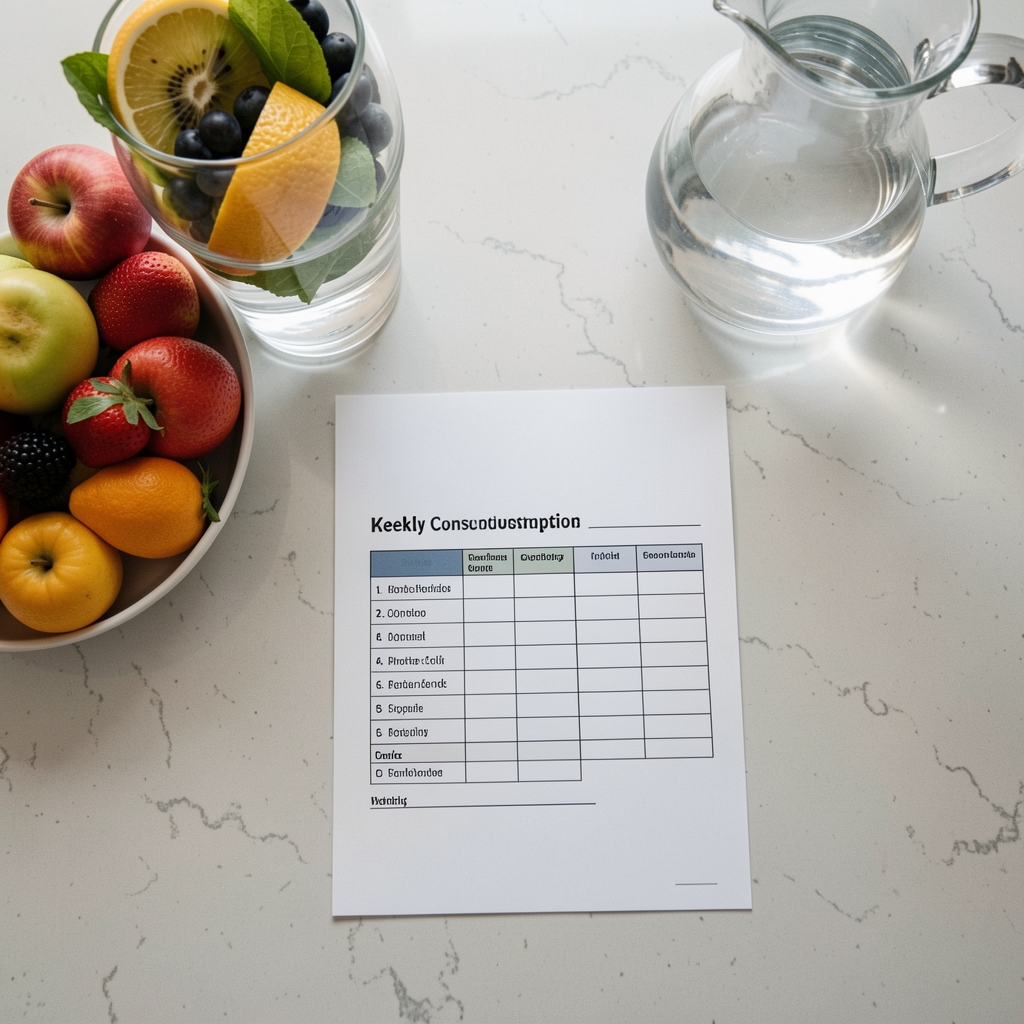
Mindful Consumption Audit
A five-session programme examining consumption patterns across sugar alternatives, caffeine use, and screen engagement. Each pattern is mapped against daily energy observations and contextual triggers before targeted substitutions are designed.
The programme draws on the Tarlone cue-routine-reward framework applied specifically to consumption cycles. Sugar habit alternatives and caffeine moderation strategies are developed individually — there is no generic substitution list, only patterns and their specific context-bound replacements.
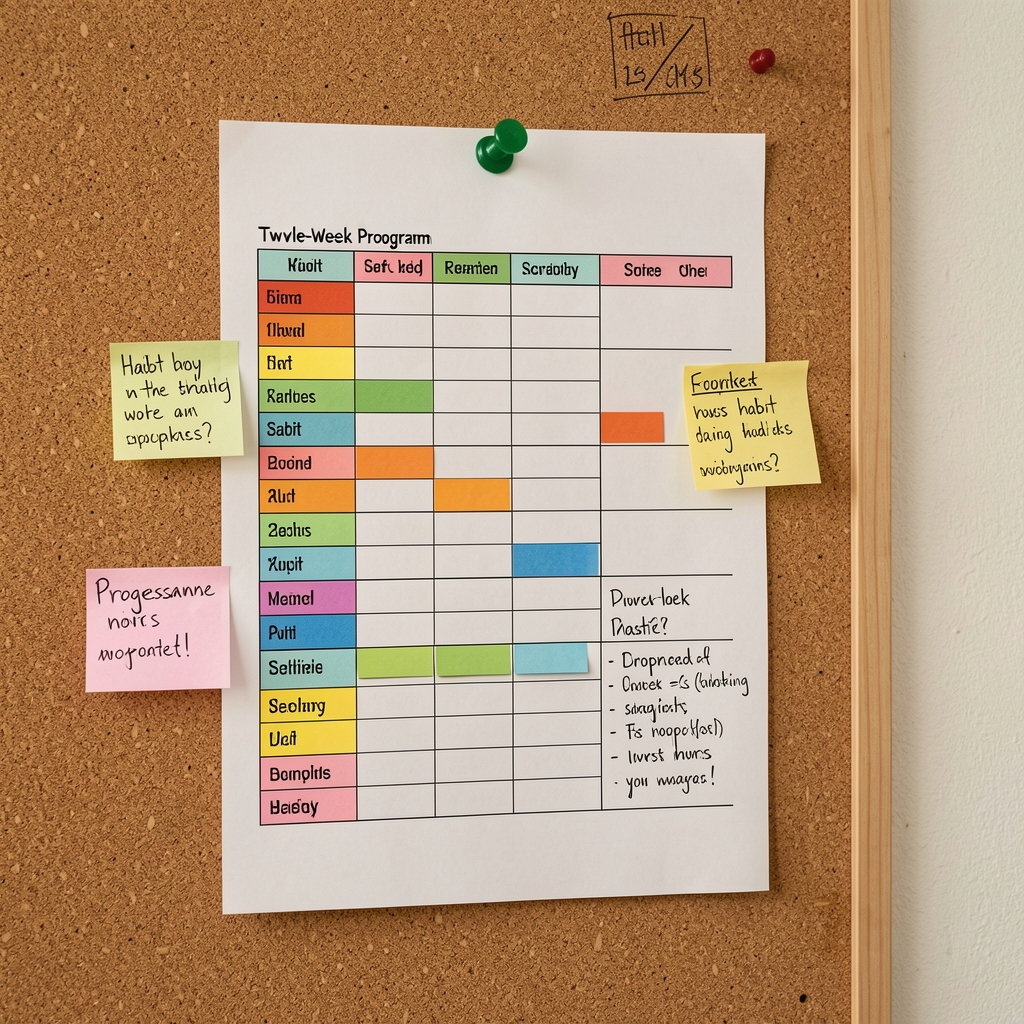
Long-Term Behaviour Shift
The complete Tarlone engagement — a twelve-week programme spanning all five discipline areas. It begins with a comprehensive audit, proceeds through targeted substitution across morning, midday, and evening routines, and concludes with a consolidation phase designed to sustain the embedded changes independently.
Monthly review sessions track pattern drift and recalibrate where needed. A journaling component runs throughout, providing a continuous record of the behaviour shift process. This programme is appropriate for individuals who have already attempted shorter approaches and found them insufficient for their specific pattern complexity.
Initial Conversation
An introductory conversation — no obligation — to determine which programme, if any, is appropriate for your specific pattern set and goals. Conducted by phone or in person.
Audit Session
All programmes begin with a dedicated audit session. No replacement strategies are discussed at this stage — the session is entirely observational and documentation-focused.
Programme Begins
From the second session onward, substitution strategies are introduced one at a time. The pace is calibrated to the individual — there is no fixed schedule for adoption speed.